

Why Recovery Matters as Much as the Procedure Itself
Getting a hair transplant in Dubai is an exciting step toward restoring your confidence and achieving a fuller, natural-looking hairline. However, while choosing the right clinic and technique is crucial, the recovery phase is equally important for achieving the best possible results.
Dubai’s unique climate, world-class medical infrastructure, and advanced hair transplant technologies make it one of the premier destinations for hair restoration globally. At Global Hair Dubai, we’ve helped thousands of patients from the UAE, GCC countries, Europe, and beyond achieve stunning, permanent results through our advanced FUE and DHI techniques.
This comprehensive 2026 guide walks you through every stage of hair transplant recovery in Dubai – from the moment you leave our clinic to the day you see your final, life-changing results. Understanding what to expect during each phase will help you stay confident, prepared, and stress-free throughout your healing journey.
What Makes Hair Transplant Recovery in Dubai Different?
Dubai’s environment presents unique considerations for hair transplant patients:
Climate Considerations
Dubai’s warm, sunny climate means patients need to be extra careful about:
- Sun exposure during the initial healing weeks
- Sweat management especially if your procedure falls during summer months
- Hydration to support optimal healing in the dry climate
World-Class Aftercare Support
Unlike many other locations, Dubai’s top clinics like Global Hair Dubai offer:
- 24/7 post-operative medical support
- Personalized recovery plans
- Multiple follow-up sessions included in the package
- Advanced PRP and stem cell therapies to accelerate healing
Day 1: Immediately After Your Hair Transplant Surgery
What Happens on Day One
The first 24 hours after your procedure are critical for graft survival and establishing the foundation for successful recovery. Here’s what you can expect when you leave Global Hair Dubai:
Physical Sensations:
- Mild tightness or pressure in the scalp area
- Slight tenderness in both donor and recipient zones
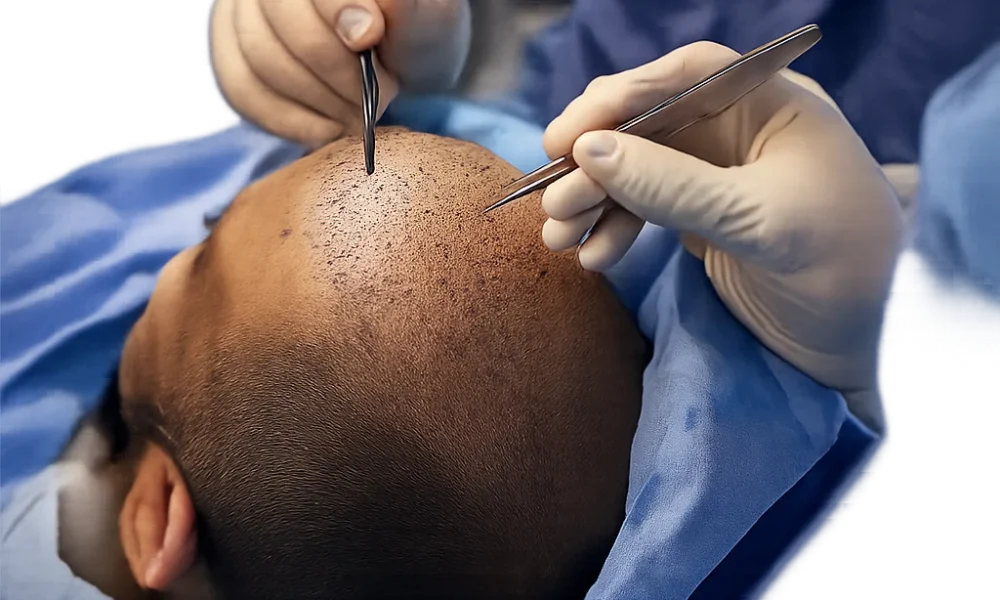
- Tiny, newly implanted grafts clearly visible in the transplanted area
- A light medical bandage or protective cap covering your scalp
What You’ll Notice: The grafts are in their most delicate state. They haven’t yet established blood supply in their new location, making the first 72 hours absolutely crucial for their survival.
Critical First-Day Care Instructions
At Global Hair Dubai, we provide every patient with a detailed aftercare kit and personalized instructions. Here’s what you need to do:
- Sleep with Your Head Elevated: Use 2-3 pillows to keep your head raised at a 45-degree angle. This prevents swelling and protects the grafts from rubbing against the pillow.
- Avoid Touching the Grafts: Your hands carry bacteria and oils that can cause infection or dislodge grafts. Resist the urge to touch, scratch, or examine the transplanted area.
- Take Prescribed Medications: Your surgeon will provide antibiotics, pain relievers, and anti-inflammatory medications. Take them exactly as directed.
- Stay Hydrated: Dubai’s dry climate makes hydration even more important. Drink at least 8-10 glasses of water.
- Avoid Strenuous Activity: No exercise, heavy lifting, or activities that increase blood pressure or heart rate.
Days 2-3: The Normal Swelling Phase
What to Expect
During the second and third days post-surgery, most patients experience:
Common Symptoms:
- Mild to moderate swelling that may extend to the forehead and around the eyes
- Increased redness in the transplanted area
- Tightness in the scalp
- Possible bruising (though less common with advanced FUE/DHI techniques)
- Itching begins as the healing process starts
Why This Happens: Swelling is your body’s natural inflammatory response to the procedure. It typically peaks on day 3 and then gradually subsides.
Managing Swelling and Discomfort
Cold Compresses (Applied Carefully):
- Use ice packs wrapped in a clean cloth
- Apply to the forehead ONLY (never directly on grafts)
- 15-20 minutes every hour while awake
- This reduces swelling and provides relief
Medication Protocol: Continue taking all prescribed medications, especially anti-inflammatory drugs that help reduce swelling.
Dubai-Specific Tips:
- Stay in air-conditioned environments as much as possible
- Avoid going outdoors during peak sun hours (11 AM – 4 PM)
- If you must go out, wear the protective cap provided by your clinic
Days 4-7: Early Healing and Stabilization Week
The First Medical Wash
One of the most important milestones during your recovery happens between days 5-7: your first professional medical wash at Global Hair Dubai.
Why Professional Washing Matters:
- Removes dried blood and serum safely
- Softens scabs without disturbing grafts
- Reduces risk of infection
- Provides opportunity for your surgeon to check healing progress
What Happens During the Wash: Our trained technicians use specialized, pH-balanced shampoos and gentle techniques to clean the scalp without applying any pressure to the grafts.
Week One Progress
By the end of the first week:
- Swelling has completely or mostly disappeared
- Small scabs form around each transplanted graft (completely normal)
- The scalp starts to look more normal
- Donor area begins healing with minimal signs of extraction
Week One Restrictions
What to Avoid:
- Direct sun exposure (wear a hat if you must go outside)
- Swimming pools, beaches, or saunas
- Heavy exercise or activities causing excessive sweating
- Alcohol and smoking (both impair healing)
- Tight hats or helmets that put pressure on grafts
What You Can Do:
- Return to light, non-strenuous work (many patients return to desk jobs by day 5-7)
- Gentle walking for circulation
- Watch TV, use computers, read (activities that don’t raise blood pressure)
Week 2: The Scab Removal and Shock Loss Phase
Natural Scab Shedding
During the second week, the small scabs that formed around each graft will naturally fall off. This is a positive sign that the grafts have established their blood supply and are healing properly.
How It Happens:
- Scabs loosen naturally during gentle washing
- No picking or scratching needed (or wanted!)
- Most scabs fall off by day 10-14
Understanding “Shock Loss”
The most concerning yet completely normal phenomenon during recovery is shock loss – when the transplanted hairs begin to shed.
What Is Shock Loss? The transplanted hair shafts fall out while the follicles remain alive and healthy beneath the skin. This happens because:
- The follicles enter a resting phase (telogen) due to the trauma of transplantation
- The hair shaft was cut during extraction and implantation
- It’s a necessary reset before new, permanent growth begins
Important Reassurance: Even though you’re losing the transplanted hairs, the follicles are alive, healthy, and preparing for new growth. This is NOT a failed transplant – it’s a normal part of the process that happens to nearly all patients.
What Your Scalp Looks Like
By the end of week 2:
- Redness has significantly faded
- Most scabs have fallen off
- The scalp looks relatively normal (though still pink)
- The transplanted area may appear less dense as shock loss begins
Weeks 3-4: The Resting Phase
The Waiting Game Begins
This period is often the most psychologically challenging for patients. You’ve lost most of the transplanted hairs, and visible growth hasn’t started yet. However, beneath the surface, crucial biological processes are happening:
What’s Happening Under Your Scalp:
- Follicles are establishing permanent blood supply
- Hair growth cycles are resetting
- Scalp is healing at the cellular level
- New hair is preparing to emerge (though not visible yet)
Appearance at Week 3-4
- Redness continues to fade to light pink
- Scalp feels almost completely normal
- Minimal to no signs of a procedure to casual observers
- Donor area has healed significantly
Supporting Optimal Growth
Nutrition for Hair Growth: Focus on foods rich in:
- Protein: Eggs, fish, chicken, lentils (hair is made of protein)
- Iron: Spinach, red meat, beans (prevents hair loss)
- Biotin: Nuts, seeds, sweet potatoes (supports hair structure)
- Vitamin C: Citrus fruits, bell peppers (aids collagen production)
- Omega-3: Salmon, walnuts, flaxseeds (nourishes follicles)
Hydration in Dubai’s Climate: Continue drinking 8-10 glasses of water daily. Dubai’s dry environment can dehydrate the scalp, potentially slowing growth.
PRP Therapy (Optional Enhancement): At Global Hair Dubai, we often recommend PRP (Platelet-Rich Plasma) therapy around week 3-4 to:
- Stimulate dormant follicles
- Accelerate the growth phase
- Improve overall density and thickness
- Reduce inflammation
Months 2-3: First Signs of New Growth
The Excitement Begins
Around 8-12 weeks post-transplant, you’ll start seeing the first signs of new hair growth. This is when most patients regain their excitement and confidence in the procedure.
What New Growth Looks Like:
- Very fine, thin hairs begin to emerge (like baby hair)
- Hair may be lighter in color initially
- Growth is uneven – some areas sprout before others
- Texture may feel different from your existing hair
Growth Pattern: Don’t expect uniform growth. Each follicle has its own growth cycle, so:
- Some hairs grow faster than others
- Density appears patchy at first
- This is completely normal and will even out over time
Managing Expectations
What’s Normal:
- Seeing only 10-20% of expected growth by month 3
- Hairs looking thin and sparse
- Different growth rates across the scalp
What’s NOT a Concern:
- Slow growth (some patients don’t see visible growth until month 4)
- Varying thickness (it will normalize)
- Different colors (pigmentation develops as hair matures)
Dubai Lifestyle Adjustments
By month 2-3, you can:
- Resume normal exercise and gym activities
- Go swimming (chlorine no longer a risk)
- Style your existing hair normally
- Get haircuts on non-transplanted areas
Still Avoid:
- Harsh chemical treatments (dyes, perms, relaxers)
- Direct sun exposure without protection
- Pulling or tugging at new growth
Months 4-6: Noticeable Transformation
The Dramatic Improvement Phase
Between months 4-6, most patients experience the most visible and exciting changes:
Density Improvements:
- Hair growth accelerates significantly
- Around 40-60% of final results are visible
- The gaps between grafts start filling in
- Overall volume increases noticeably
Hair Quality Changes:
- Hairs become thicker and stronger
- Color matches your natural hair better
- Texture normalizes
- Styling becomes easier
Social Impact
This is typically when:
- Friends and family start noticing positive changes
- You can style your hair in ways that weren’t possible before
- Confidence levels increase significantly
- The transplant area blends seamlessly with existing hair
Maintenance and Care
Gentle Hair Care:
- Use sulfate-free, mild shampoos
- Avoid harsh brushing or combing
- Let hair air-dry when possible
- Use heat styling tools on low settings only
Continued Nutrition: Maintain a balanced diet rich in hair-supporting nutrients. Consider supplements if recommended by your surgeon:
- Biotin
- Vitamin D
- Zinc
- Iron (if deficient)
Months 7-12: Final Results and Full Maturity
The Complete Transformation
By the end of your first year, you’ll see the full, final results of your hair transplant:
What to Expect at 12 Months:
- 90-100% of transplanted follicles have produced hair
- Full density has been achieved
- Hair texture perfectly matches your natural hair
- The hairline looks completely natural and undetectable
- You can cut, style, dye, and treat your hair like normal
Hair Thickness and Density
The hair that grows after a transplant is permanent because:
- Donor follicles (from the back of the head) are genetically resistant to DHT (the hormone causing baldness)
- These resistant characteristics transfer to the new location
- The transplanted hair will grow for your lifetime
Complete Freedom
At 12 months post-transplant, you have total freedom:
- Cutting and Styling: Any hairstyle you want
- Coloring: Safe to dye or highlight
- Chemical Treatments: Perms or relaxers are now safe
- Shaving: You can even shave your head if desired (follicles remain)
Dubai-Specific Long-Term Care
Living in Dubai means continued attention to:
- Sun Protection: Always use SPF or wear a hat during extended outdoor time
- Hydration: Keep scalp moisturized in the dry climate
- Heat Protection: Use heat protectant sprays if using styling tools
- Regular Trims: Maintain healthy hair through regular grooming
Essential Recovery Tips for Faster, Better Results
The Golden Rules
Following these proven guidelines will optimize your recovery and final results:
- Follow Your Surgeon’s Instructions Precisely: Your Global Hair Dubai surgeon has performed thousands of procedures. Their customized aftercare plan is based on your specific case.
- No Smoking or Alcohol for at Least 4 Weeks: Both constrict blood vessels, reducing blood flow to grafts and slowing healing significantly.
- Stay Hydrated: Aim for 10-12 glasses of water daily in Dubai’s climate.
- Prioritize Sleep: Your body heals during sleep. Get 7-9 hours nightly.
- Reduce Stress: Stress hormones can negatively impact hair growth. Practice relaxation techniques.
- Use Only Prescribed Products: Don’t experiment with off-label shampoos, oils, or treatments without consulting your surgeon.
- Attend All Follow-Up Appointments: These checkups allow your surgeon to monitor progress and address any concerns early.
Common Mistakes to Avoid
Don’t:
- Touch or pick at scabs
- Exercise too soon
- Expose your scalp to direct sunlight
- Use regular shampoos in the first 2 weeks
- Miss prescribed medications
- Compare your progress to others (everyone heals differently)
- Panic during shock loss
Do:
- Be patient (results take time)
- Document your progress with photos
- Communicate any concerns to your clinic
- Maintain realistic expectations
- Trust the process
Why Global Hair Dubai Offers Superior Recovery Support
Comprehensive Aftercare Program
At Global Hair Dubai, your journey doesn’t end when you leave the clinic. Our recovery support includes:
24/7 Medical Support:
- Direct access to medical team via WhatsApp
- Emergency contact for any concerns
- Quick response to questions
Free Follow-Up Sessions:
- Included in your package
- Professional medical washes
- Progress evaluations
- PRP or additional treatments as needed
Personalized Recovery Plans:
- Customized based on your technique (FUE vs. DHI)
- Adjusted for your lifestyle and work schedule
- Dubai climate-specific recommendations
Premium Aftercare Kit: Every patient receives:
- Medical-grade shampoo and cleanser
- Prescribed medications
- Protective cap
- Detailed written instructions
- Emergency contact information
Advanced Recovery Enhancement Options
PRP Therapy: Platelet-Rich Plasma therapy stimulates faster healing and enhanced growth. Many patients opt for:
- Post-op PRP (within first week)
- 3-month PRP boost
- 6-month maintenance PRP
Stem Cell Therapy: For patients seeking maximum results, stem cell treatments can:
- Accelerate follicle activation
- Improve hair thickness
- Enhance overall density
Low-Level Laser Therapy (LLLT): Stimulates cellular activity to promote faster, healthier hair growth.
Dubai Climate and Seasonal Considerations
Best Time for Hair Transplant in Dubai
Winter Months (November-March): Pros:
- Cooler temperatures reduce sweating
- Easier to avoid sun exposure
- More comfortable recovery
- Lower risk of heat-related swelling
Cons:
- Peak tourist season (busier clinics)
- Higher travel costs
Summer Months (June-September): Pros:
- Often better availability at clinics
- More time indoors in AC (natural recovery environment)
Cons:
- Heat and humidity
- Requires extra care to avoid sun
- Sweating management more challenging
Recommendation: While hair transplants can be performed year-round in Dubai, winter months offer the most comfortable recovery conditions.
Managing Dubai’s Sun and Heat
Sun Protection Strategies:
- Wear a loose, breathable hat after the first week
- Use SPF 50+ on scalp after scabs fall off
- Avoid outdoor activities during peak sun hours
- Stay in air-conditioned environments as much as possible
Sweat Management:
- Keep scalp clean and dry
- Blot (don’t wipe) any sweat gently
- Use prescribed antimicrobial spray if needed
- Shower with lukewarm water, not hot
Frequently Asked Questions About Recovery
How long until I can return to work?
Desk Jobs: 3-5 days Physical Labor: 10-14 days Jobs requiring helmets: 2-3 weeks
At Global Hair Dubai, we provide fit-for-work certificates for employers if needed.
When can I exercise again?
Light walking: Immediately Moderate cardio: 2 weeks Heavy lifting/intense exercise: 3-4 weeks Contact sports: 4-6 weeks
Can I wear a hat?
After the first week, loose-fitting hats are safe. Avoid tight caps or anything putting pressure on grafts.
When will people stop noticing I had a procedure?
Most patients look completely normal by week 2-3. Only you will notice the progression after that point.
What if I see unexpected symptoms?
Contact Global Hair Dubai immediately. Our 24/7 support team will assess your concern and provide guidance.
The Science Behind Successful Recovery
Understanding the biological process helps you appreciate why following recovery guidelines is crucial:
Graft Survival Phases
Days 1-3 (Critical Phase):
- Grafts haven’t established blood supply
- Survival depends on nutrients from surrounding tissue
- Any trauma can cause graft death
Days 4-10 (Anchoring Phase):
- Blood vessels begin connecting to grafts
- Grafts become more secure but still delicate
- Scabs protect healing tissue
Days 11-30 (Stabilization Phase):
- Grafts are securely anchored
- Blood supply fully established
- Shock loss begins as follicles reset
Months 2-12 (Growth Phase):
- Follicles activate and begin producing hair
- Hair grows in cycles (anagen phase)
- Thickness and density increase progressively
Why Global Hair Dubai’s Techniques Accelerate Recovery
Advanced FUE (Follicular Unit Extraction):
- Minimal trauma to scalp
- No linear scar
- Faster healing than traditional methods
- Less post-op discomfort
DHI (Direct Hair Implantation):
- Grafts spend less time outside the body
- Higher survival rate
- More precise placement
- Even faster recovery
Sapphire Blades and Choi Pens:
- Create smaller, cleaner incisions
- Less bleeding and trauma
- Reduced scarring
- Accelerated healing
Conclusion: Your Journey to Natural, Permanent Hair
Hair transplant recovery is a journey that requires patience, care, and trust in the process. Understanding each phase, from the critical first 72 hours to the exciting final results at 12 months, empowers you to make informed decisions and follow proper aftercare protocols.
In Dubai’s unique environment, with its warm climate and world-class medical facilities, choosing the right clinic makes all the difference. At Global Hair Dubai, we combine cutting-edge technology, experienced surgeons, and comprehensive aftercare to ensure your recovery is smooth, comfortable, and leads to the natural, permanent results you deserve.
Ready to Start Your Hair Restoration Journey?
If you’re considering a hair transplant in Dubai in 2026, Global Hair Dubai offers:
- Free consultations with expert surgeons
- Advanced FUE and DHI techniques
- Customized treatment plans
- 24/7 post-operative support
- Proven track record of natural results
- Multilingual care team
- Transparent pricing with no hidden fees
Your confidence transformation is just one decision away. Trust the experts at Global Hair Dubai to guide you through every step of your recovery and help you achieve the natural, full hairline you’ve always wanted.